Prioritizing Mental Health & Well-being and Safety for all Staff and Students
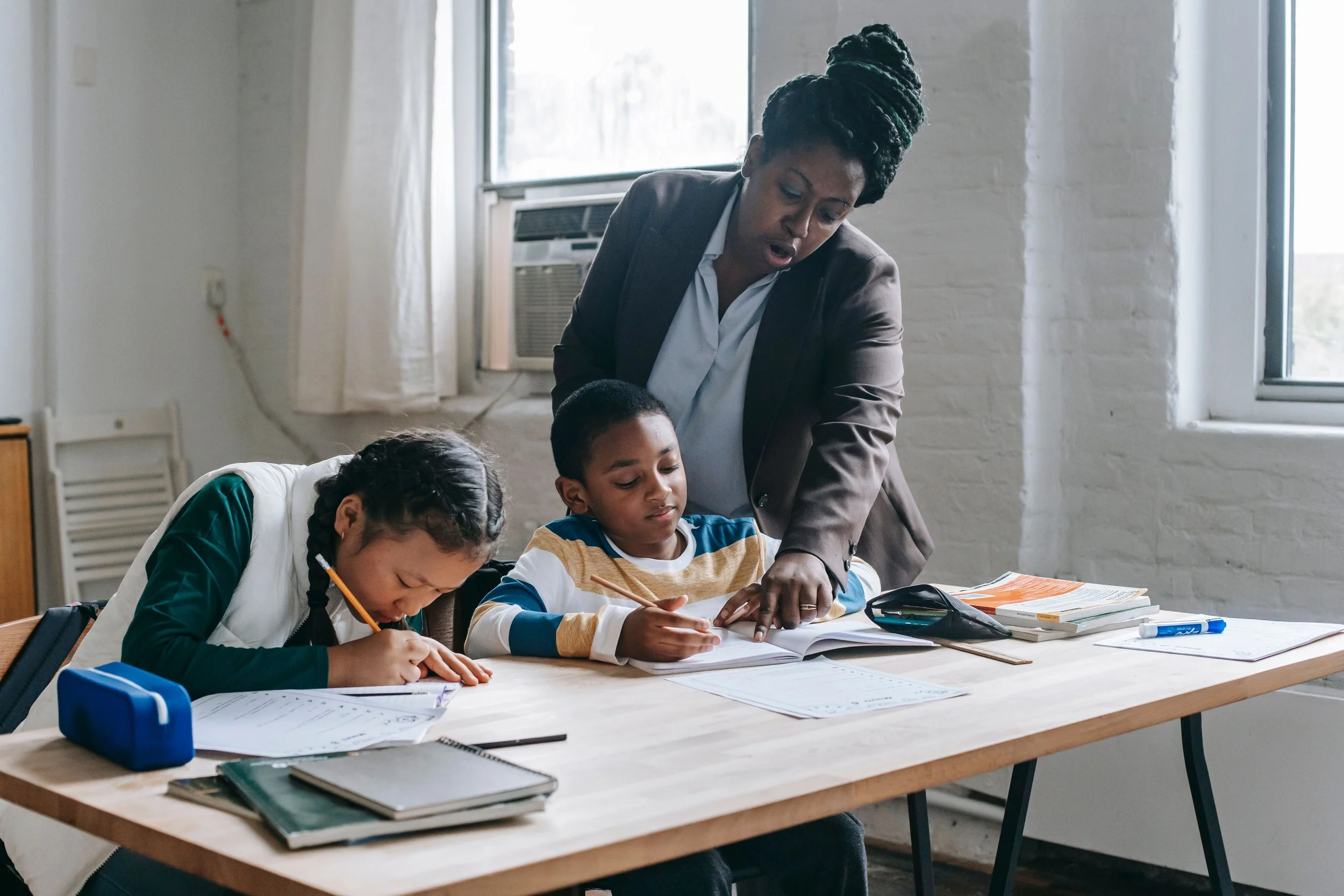
Investing in classrooms means investing in student success. When educators have the staffing, resources, and learning supports they need, they can focus on teaching instead of constantly trying to manage shortages. Consistent classroom support helps build stronger relationships, improves student engagement, and builds trust between schools and families. Every investment made directly in the classroom has an impact on student learning and well-being.
Mental health, well-being, and safety are not separate from education. They are part of the foundation that makes learning possible.
Action Steps:
Investing in Educator Success
Educators need the right resources, support, and opportunities to do their best work.
I will champion access to the classroom resources, professional learning opportunities, and practical tools educators need to create supportive learning environments where every student has the opportunity to succeed.
Building Consistent Learning Communities
Students need trusted adults they can turn to.
Stable staffing and strong school communities give students the opportunity to build those relationships. When educators know their students and have the time and support to respond to their needs, they can better recognize when a student is struggling and help connect them with the right support.
I will support efforts that help build stable, connected school communities where students, educators, and families can work together.
Digital Responsibility & Cognitive Development in the AI Era
Technology is a part of everyday life for our students. Keeping students safe online means more than blocking inappropriate websites. They also need to understand how AI, social media, and other technology can affect how they learn, communicate, and make decisions.
I will champion a modernized digital responsibility framework for SD43 that includes student data privacy, digital literacy, and clear guidance around the responsible use of technology and AI.
Students should be able to use technology as a tool without losing the opportunity to think, question, create, and solve problems for themselves.
That means helping students:
Use AI as a learning tool: AI can help students brainstorm and explore ideas, but it shouldn't simply do the work for them.
Make time for focused learning: Students need opportunities to put the devices away, concentrate, read, and have face-to-face conversations without constant digital distractions.
Think critically about what they see online: Students should know how to check information, recognize misinformation, and understand that not everything they see online is accurate.
Integrating Food Security and Seamless Childcare Infrastructure into Our Schools
Student success doesn't happen in isolation.
When a child is hungry or a family is struggling to find reliable childcare, it can affect a student's ability to focus and learn. Schools are already an important part of their communities, and there are opportunities to build stronger connections between schools and the services families rely on.
This is part of building a Community of Care.
I will support partnerships with Tri-Cities municipalities, community organizations, food banks, and licensed childcare providers to explore ways schools can better support students and families.
This includes:
Supporting the kitchen and cold-storage infrastructure needed for expanded meal programs.
Building partnerships with community organizations and food providers.
Exploring opportunities for accessible childcare within elementary school infrastructure.
Looking at “Seamless Day” and “Seamless Childcare” models as part of future school planning.
Mental health, well-being, and safety are not extras. They are part of what students need to feel supported, connected, and ready to learn.
