Action-Oriented Reconciliation and Indigenous Excellence in SD43
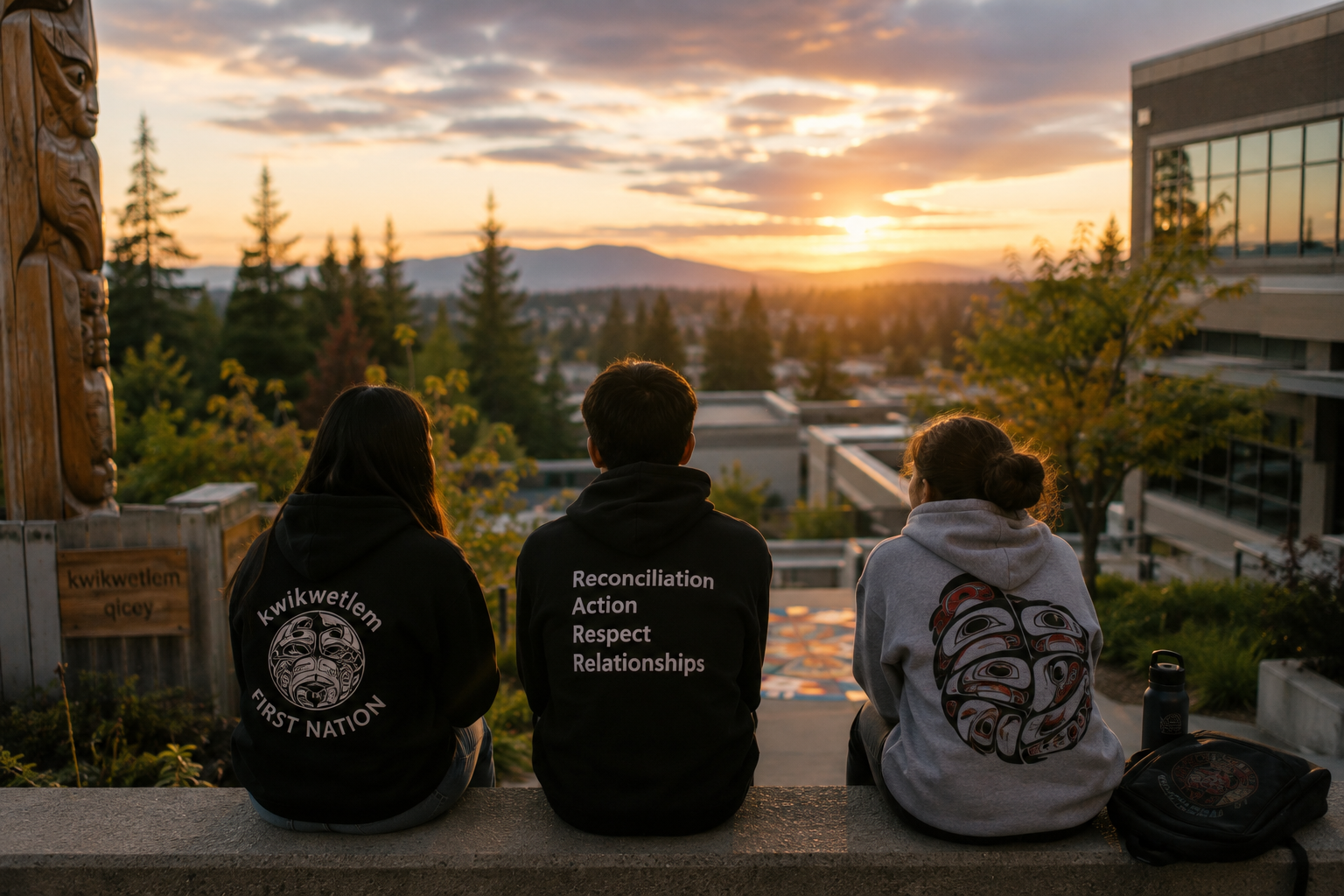
While SD43 maintains strong overall graduation rates, historical and systemic barriers mean that Indigenous learners still require intentional, dedicated resources to ensure equitable outcomes.
Reconciliation inside a school district means ensuring that every Indigenous student has access to consistent, culturally grounded mentorship while non-Indigenous students learn true, unfiltered local histories.
Territorial acknowledgments are an essential starting point, but true reconciliation requires systemic action. True advocacy means matching our words with operational budgets to provide concrete support.
Action Steps:
Stabilizing Indigenous Support Worker Roles: These vital mentors provide crucial cultural connection and emotional continuity for over 1,200 Indigenous students in our district. We must combat staff shortages and protect these positions so students have a reliable adult anchor in their schools.
Expanding Land-Based and Cultural Learning Infrastructure: Building upon successful initiatives like the Earth Spirit Healing Forest and Medicine Garden, I will push to co-fund and design outdoor learning spaces alongside the Kwikwetlem Nation, ensuring local ecological knowledge and Indigenous protocols are baked into our physical infrastructure.
Authentic Community Consultation: Ensuring the Board of Education maintains a proactive, deeply respectful dialogue with Kwikwetlem leadership and urban Indigenous communities when drafting long-term strategic and capital goals.
Reconciliation is built through the everyday choices a school board makes regarding funding, curriculum support, and physical space. I will work tirelessly to ensure SD43 acts in right relations, as a true partner in healing, honoring the land we stand on and by uplifting the next generation of Indigenous Youth.
